The Six Who Came Before
Each mastered the tools of their era. Each shaped the world.
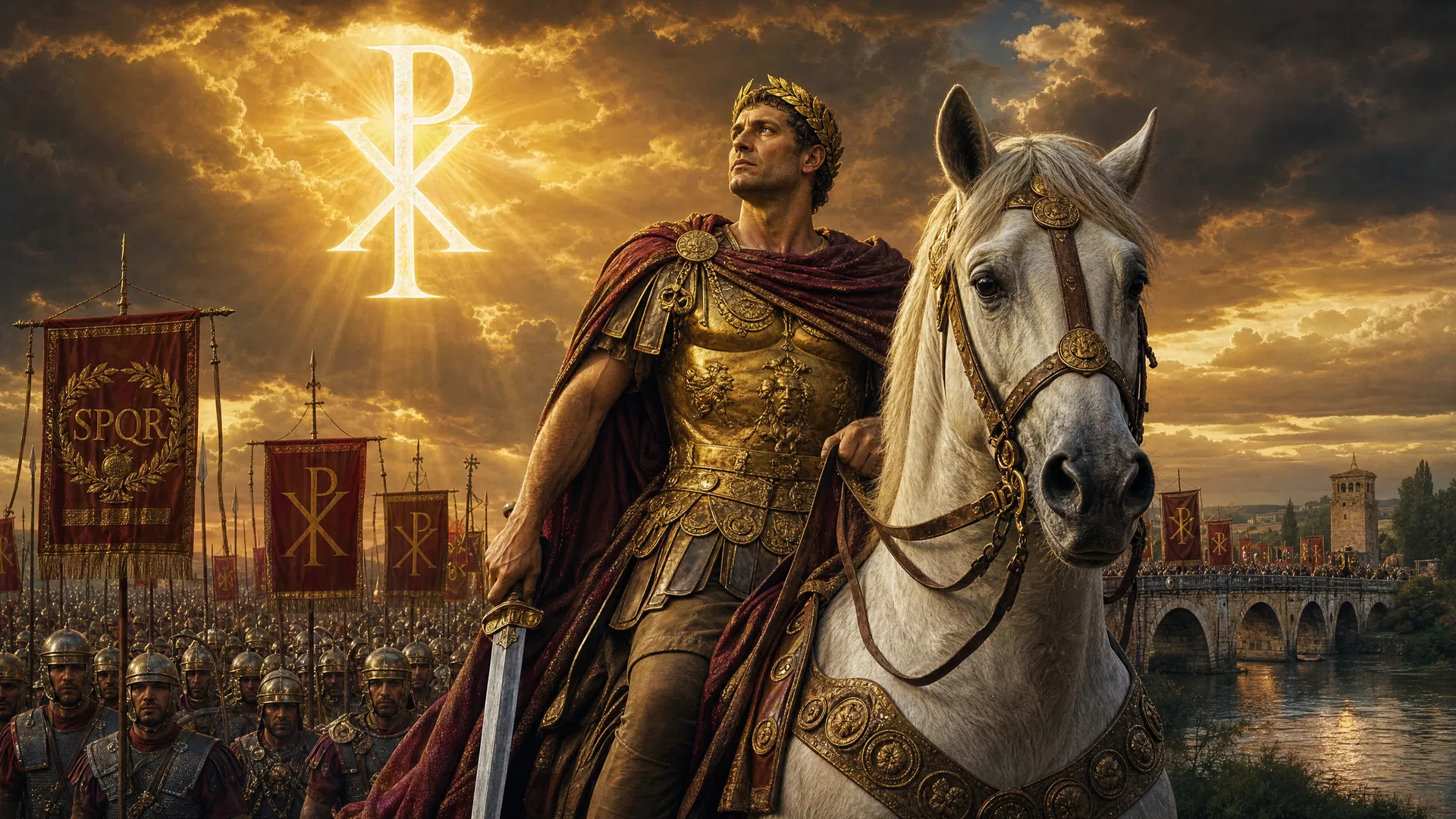
The Founder
The first to bear the name was a master architect of the future who completely shifted the paradigm of his era. He looked at a fractured empire and decided to rewrite the operational framework from scratch.
He recognized that old systems were outdated. By issuing the Edict of Milan in 313 AD he changed the cultural engine of the Western world — and moved the entire capital to a strategic new location, founding Constantinople. He introduced the solidus, a gold coin that became Europe's standard for a millennium.
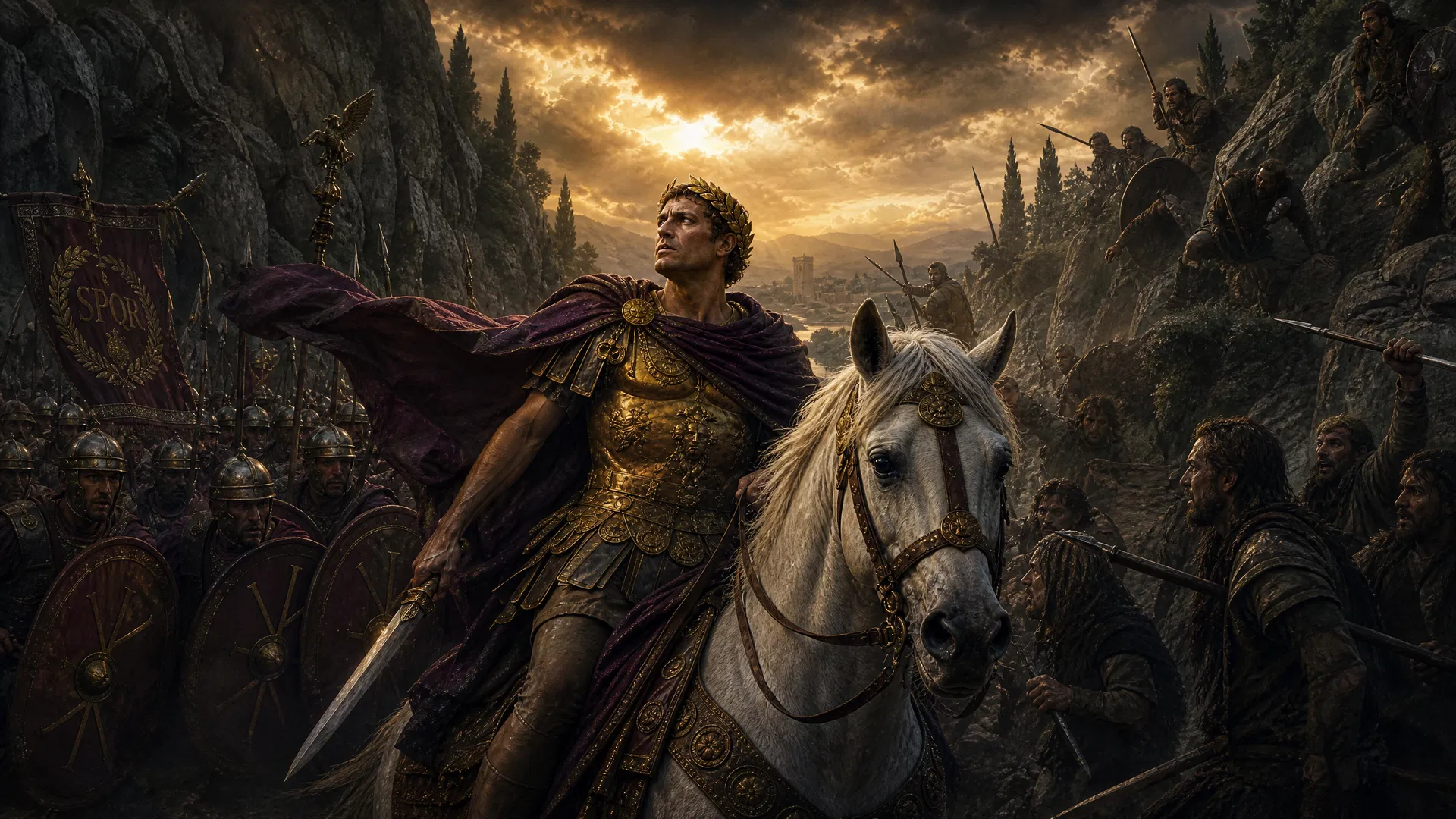
The Ambitious
The eldest son of Constantine the Great inherited the western provinces after his father's death. Unsatisfied with his share, he marched against his own brother Constans to seize more territory.
He was killed in an ambush near Aquileia in 340 AD, just three years into his reign.
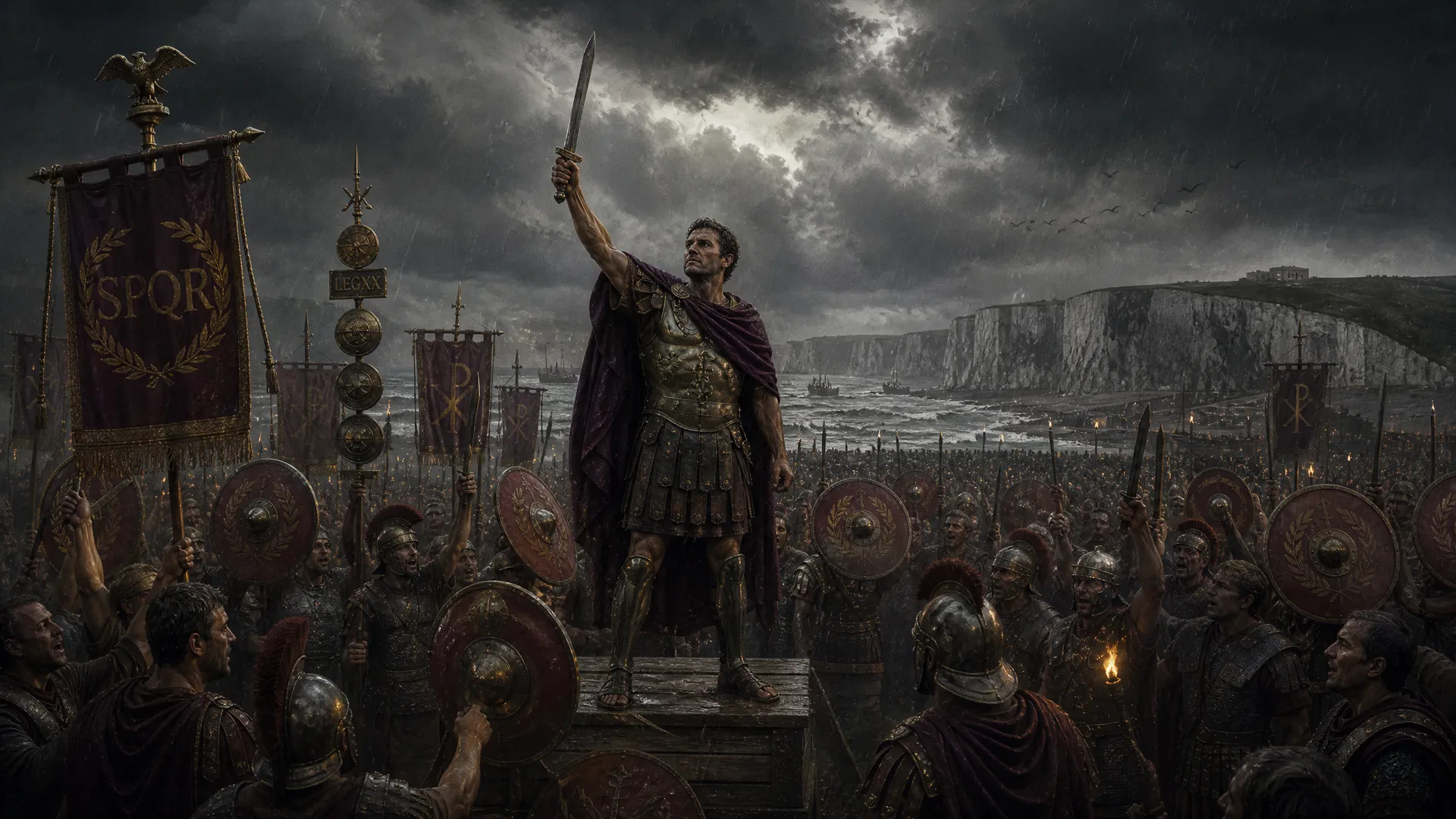
Boldness & Opportunism
A common soldier stationed in Britain, he seized the moment when the Western Empire was crumbling. He declared himself emperor, crossed into Gaul, and briefly controlled Britain, Gaul, and parts of Spain.
But boldness without infrastructure is a house built on sand. His forces collapsed, he surrendered, and was executed in 411 AD.
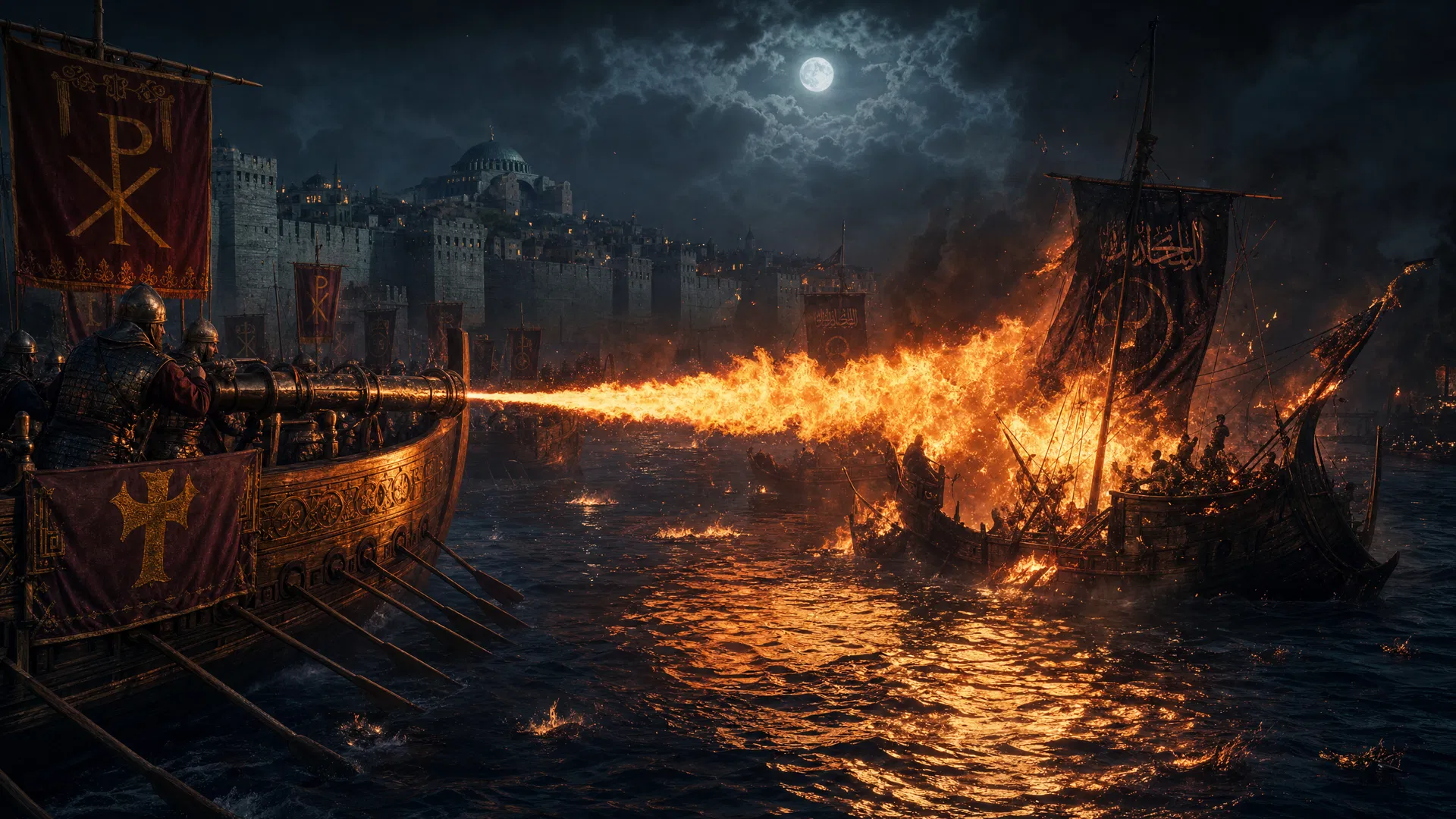
Technological Innovation
When the largest Arab naval force the Mediterranean had ever seen bore down upon Constantinople from 674 to 678 AD, the odds were existential. The empire faced annihilation.
It was during his reign that the Byzantines deployed Greek Fire — a devastating incendiary weapon that could burn on water. This technological marvel was the ultimate disruptor of its time, letting a smaller defending force obliterate a massive invading fleet.
Military Might & Radical Reform
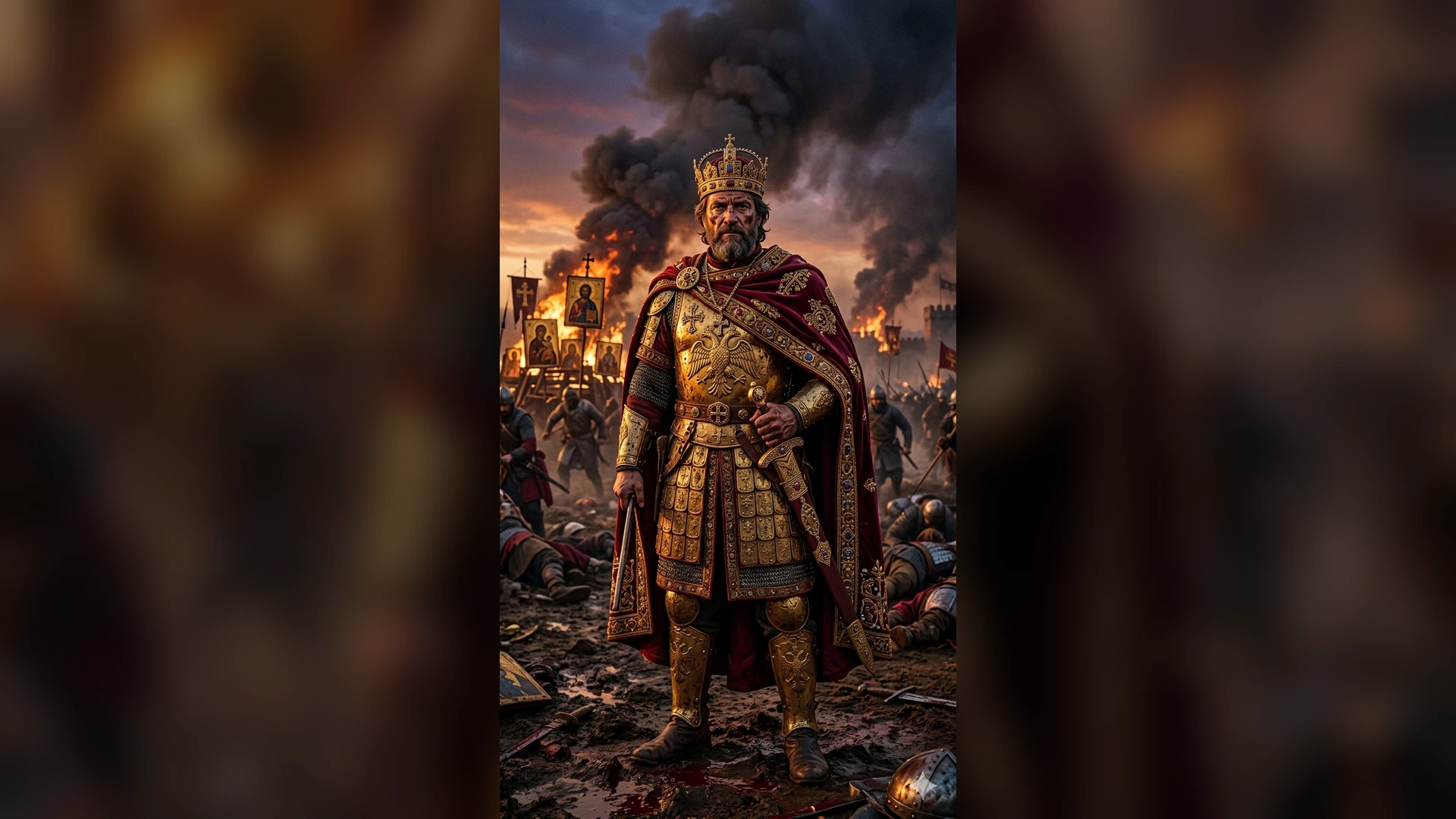
One of the most capable military commanders in Byzantine history, Constantine V expanded the empire's borders significantly and won victory after victory against the Bulgars and Arabs. His armies were feared across the known world.
Yet he is remembered as much for his internal war as his conquests. He aggressively banned religious icons (Iconoclasm), sparking civil unrest and the hatred of the Church.
A Lesson in Losing Control of Your Narrative
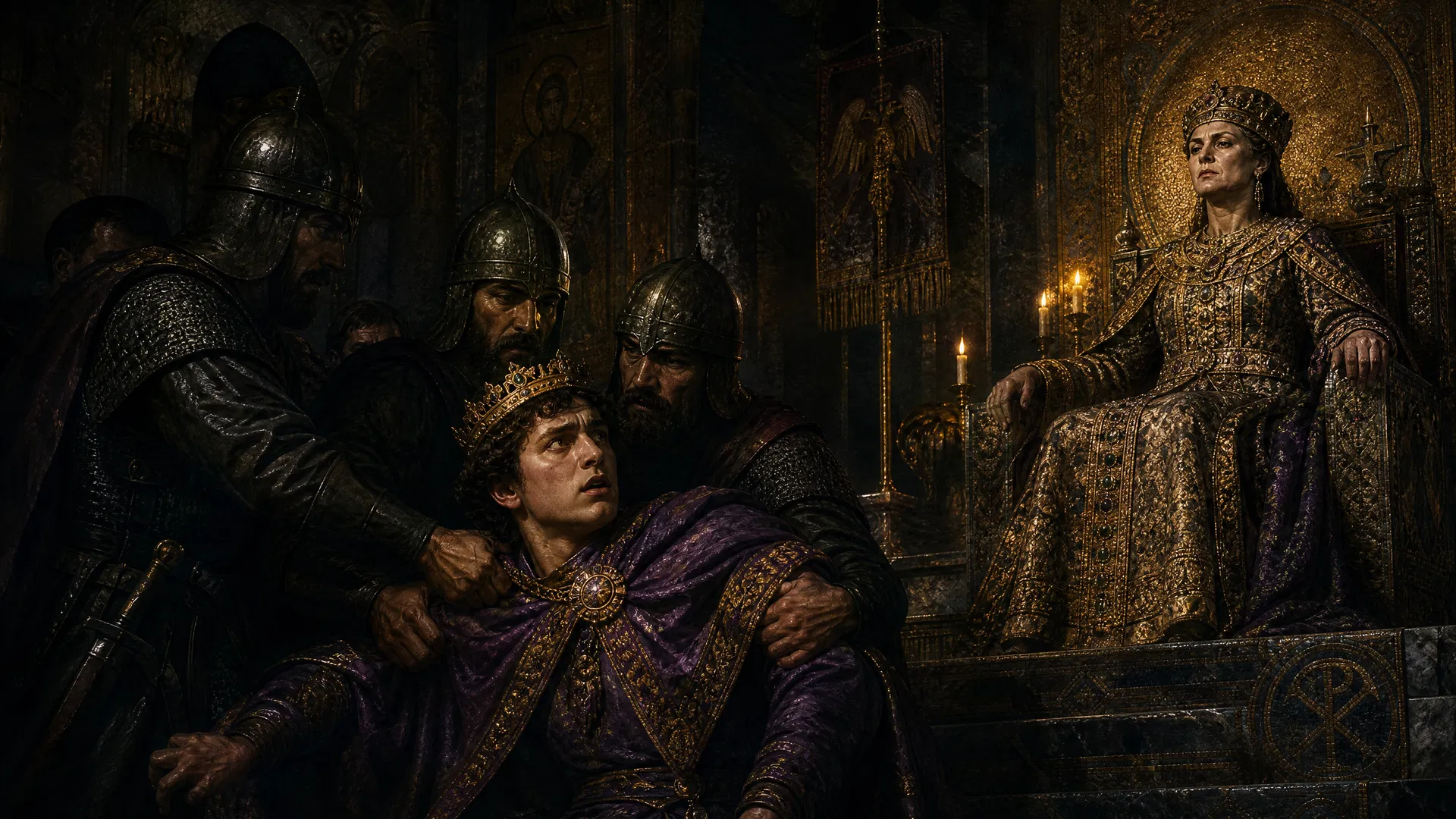
He ascended the throne as a child, and his entire reign was dominated by his powerful mother, Empress Irene, who served as regent and refused to relinquish power. Even when he briefly seized control, he could not hold it.
In 797 AD, Irene orchestrated a coup, had her own son blinded, and took the throne for herself.